-

Email Us
sale@lscmagnetics.com -

Contact Number
+86 -13559234186
Email Us
sale@lscmagnetics.comContact Number
+86 -13559234186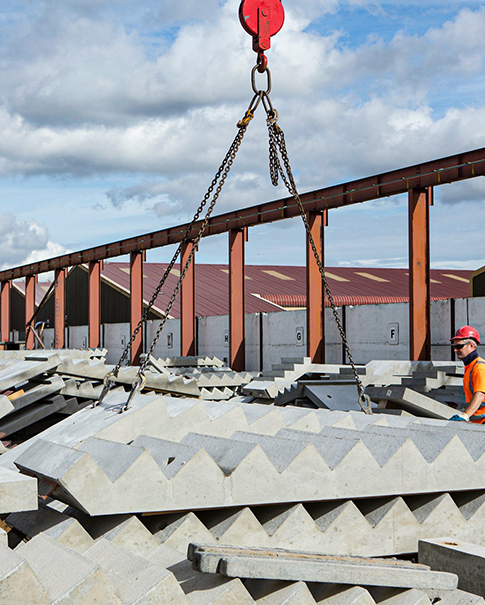

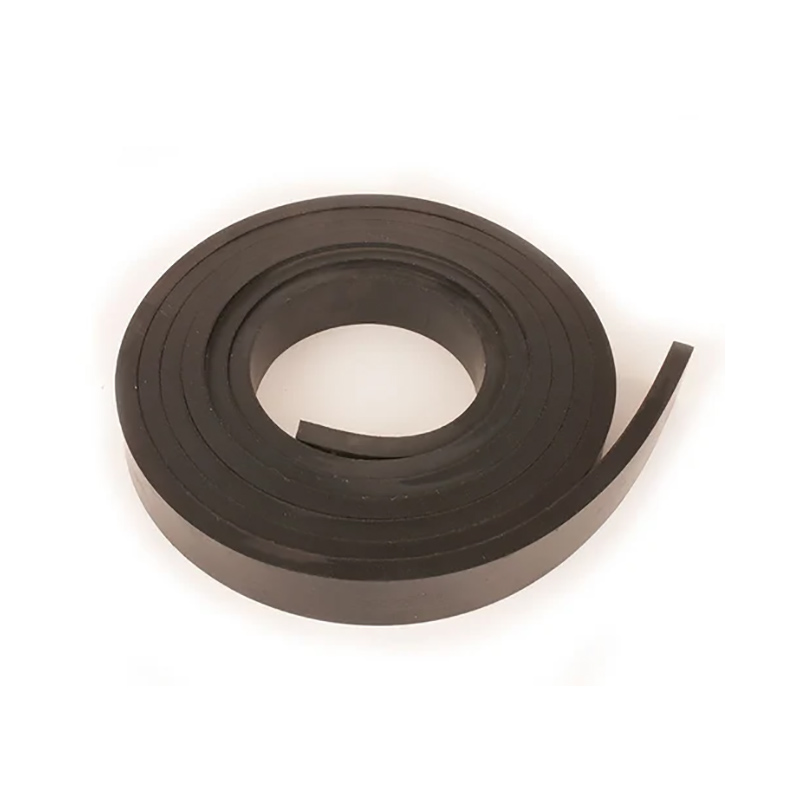
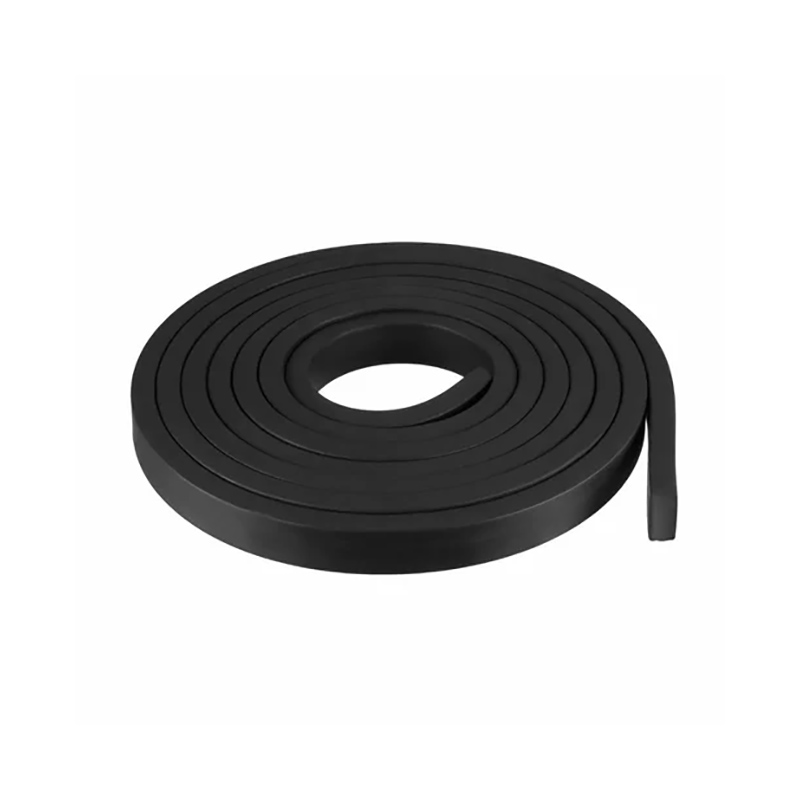
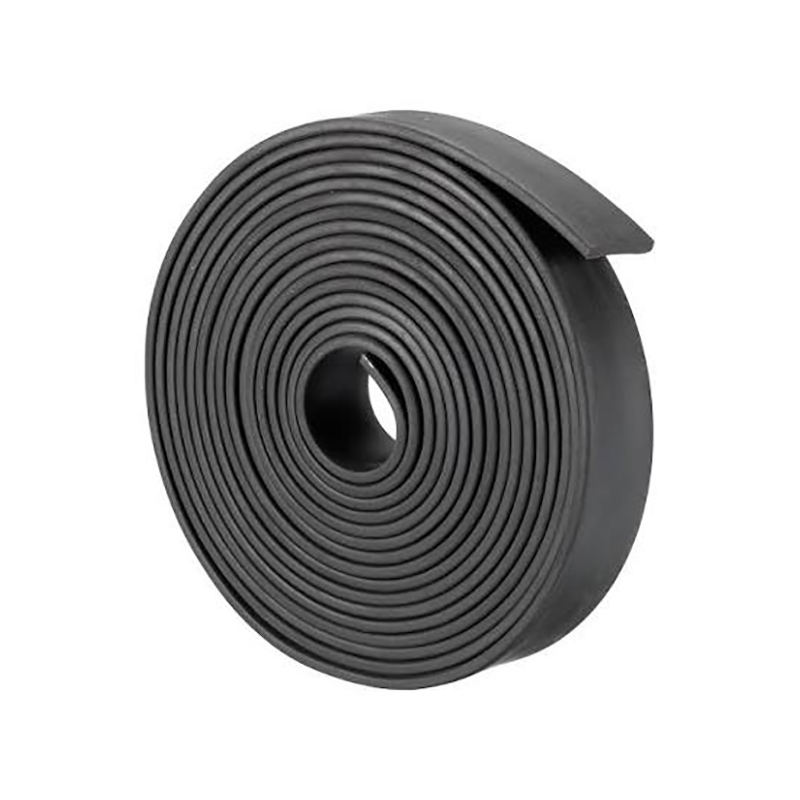
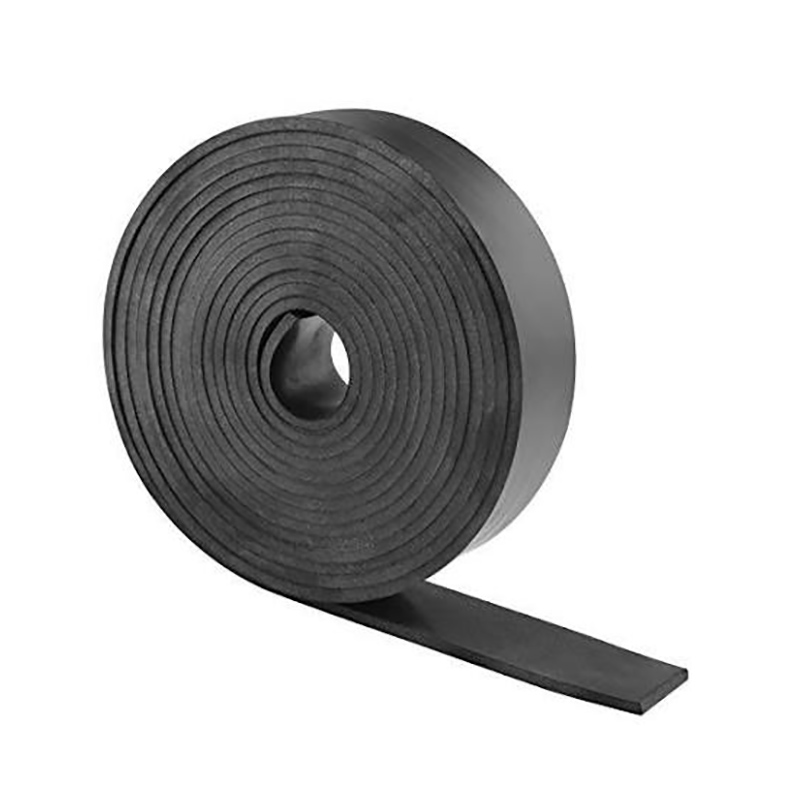
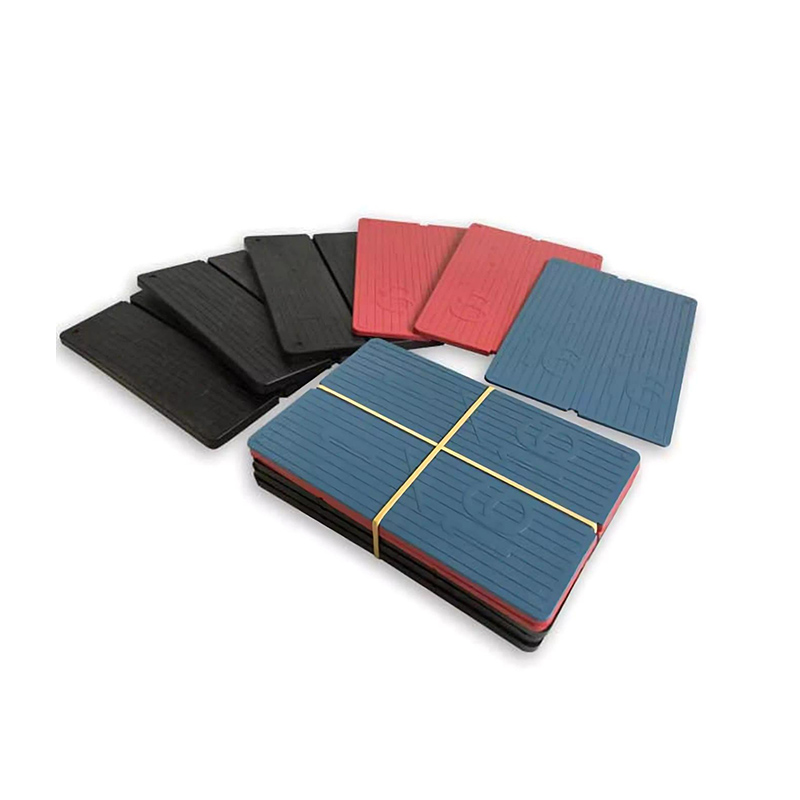
Neoprene Bearing Strip is an elastomeric pad manufactured from chloroprene rubber. It is specifically engineered to be placed between precast concrete beams, prestressed members, or steel girders and their substructures, enabling smooth and uniform load transfer while accommodating rotational and translational movements under service conditions.
Item No :
Neoprene Bearing StripOrder(MOQ) :
50Product Origin :
chinaLead Time :
7-10daysNeoprene Bearing Strip Neoprene Bearing Strip for Precast Concrete
In precast concrete (PC) component production and prefabricated building construction, a seemingly minor yet critical accessory—the neoprene bearing strip—plays an indispensable role. Installed beneath precast beams, columns, and supporting structures, it performs the core functions of load transfer, displacement accommodation, and stress buffering, making it an unsung hero in ensuring structural safety and long‑term durability.
Anyone working in precast component production has likely encountered these all‑too‑familiar frustrations:
Rubber strips beneath the mold base develop extensive cracking within six months, crumbling at the slightest pressure.
Oil‑based release agents splatter onto ordinary rubber strips, causing them to swell and distort like sponges—throwing the entire mold out of level.
Support strips emerge from the steam‑curing chamber limp and fused to the mold bed, requiring a tedious tear‑out and replacement.
Seasonal temperature extremes—scorching summers and freezing winters—cause cracking, forcing molds stored outdoors to be recalibrated before every production run.
More often than not, these issues trace back to one root cause: the wrong material choice.
Ordinary natural rubber bearing strips are certainly low‑cost, but they simply cannot survive the "four highs" of the precast environment—high humidity, high temperature, high oil exposure, and high‑frequency vibration. Neoprene (CR) bearing strips, by contrast, are purpose‑built to tackle these exact challenges head‑on.
Compared to ordinary natural rubber, neoprene offers distinct advantages:
Superior weather and aging resistance – Neoprene exhibits excellent low‑temperature flexibility. When structures contract due to falling temperatures, neoprene does not stiffen significantly, thereby avoiding adverse effects on the structural system.
Good thermal stability – It maintains consistent performance at elevated temperatures, with a compression set of no more than 35% after 22 hours at 212°F (100°C).
Maintenance‑free operation through shear deformation – Neoprene bearing strips contain no moving parts. They accommodate thermal expansion and contraction through internal shear deformation—with no sliding friction between the beam and the pad or between the pad and the support—resulting in a long, maintenance‑free service life.
1. Uniform Load Transfer and Stress Distribution
Neoprene bearing strips ensure that loads are transferred smoothly and uniformly from the precast member to the supporting substructure. This is essential for the structural integrity of load‑bearing elements such as beams and columns, as it prevents localized stress concentrations that could cause cracking or support damage.
2. Accommodating Deformation, Displacement, and Rotation
Precast components undergo flexural deflection under load and expand or contract with temperature fluctuations. Neoprene bearing strips effectively:
Allow beam‑end rotation – accommodating flexural deformation under load;
Permit horizontal displacement – absorbing longitudinal and lateral movements induced by thermal forces;
Dampen shock and vibration – attenuating impact forces transmitted from vibrating tables or mechanical equipment.
3. Vibration Isolation and Noise Reduction
In precast production lines, neoprene bearing strips also serve as a buffer layer between the vibration table and the mold. They effectively isolate high‑frequency vibrations, protecting both molds and equipment from wear caused by rigid, direct contact.
Not every production line requires neoprene rubber, but in the following scenarios, switching to neoprene can save significant time and money:
| Operating Condition | Typical Application | Why Neoprene Excels |
| Steam‑curing lines | Molds moving in/out of curing kilns with large temperature differentials and high humidity | Resists damp‑heat degradation, does not soften, and resists sticking to mold bottoms |
| Oil‑based release agent lines | Oil‑based agents used frequently, resulting in oily shop‑floor conditions | Offers excellent oil resistance—does not swell or lose dimensional stability |
| Outdoor / semi‑open storage yards | Molds stored outdoors, exposed to sunlight and rain | Provides outstanding resistance to ozone, UV radiation, and weathering |
| High‑output automated lines | High vibration frequencies and daily throughput | Delivers long dynamic fatigue life, minimizing downtime |
| Heavy‑duty large‑mold tables | Large‑format molds for wall panels and utility galleries with substantial dead weight | Can be combined with metal reinforcement frames for enhanced load‑bearing capacity |
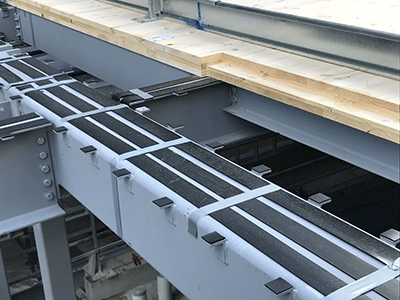
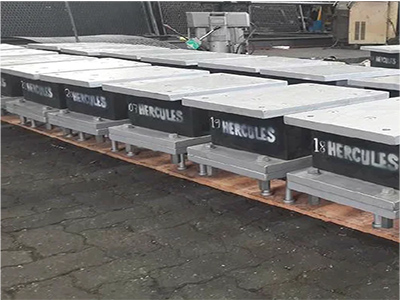
Neoprene bearing strips are installed as support pads at the bearing ends of precast prestressed beams or steel girders. They transmit vertical loads while accommodating end rotations and horizontal displacements—a configuration commonly found in precast parking garages and bridge construction.
Scenario 2: Vibration Table Isolation Layers
On the vibration tables of precast production lines, neoprene bearing strips are placed between the mold and the table surface. This effectively attenuates vibration impact, protecting both molds and equipment from wear due to rigid contact.
Scenario 3: Precast Multi‑Story Parking Structures
Neoprene bearing strips are used at the support points of precast double‑tee slabs, hollow‑core slabs, and similar members. They withstand cyclic compression and shear loads while adapting to thermal expansion and contraction movements.
Even the best material will underperform if installed incorrectly. Keep the following points in mind when installing neoprene bearing strips:
Never mix specifications – All bearings on the same mold must be of uniform grade and dimensions to avoid warping caused by hardness variations.
Clean the mounting slots – Remove concrete residue and oil stains from the mold slots before installation to prevent localized stress concentration.
Prevent bolt loosening – Bolts are prone to loosening under vibration. Use spring washers or schedule regular torque checks.
Conduct periodic inspections – Although neoprene is highly durable, visually inspect the surface condition monthly. Replace immediately if deep cracking is observed.
At first glance, neoprene rubber bearing strips cost 30%–50% more than ordinary natural rubber strips. However, when factoring in replacement frequency, downtime losses, and scrap rates, the total cost picture often tells a different story:
| Cost Factor | Ordinary Rubber Strip | Neoprene Rubber Strip |
| Unit price | Low | 30%–50% higher |
| Replacement cycle | 1–1.5 years | 3–5 years |
| Annual replacements | 2–3 times | 0.5–1 time |
| Replacement time per unit | 4–8 hours/mold | Same |
| Downtime cost | High (frequent changes) | Low (infrequent changes) |
| Scrap due to uneven support | Occasional | Rare |
Client Cases
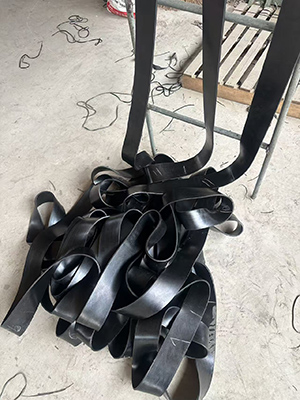
The following is how we manufacture and package for our Canadian client, Parkview Pre-Cast Ltd.
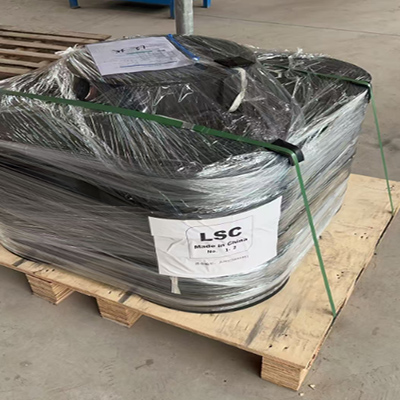
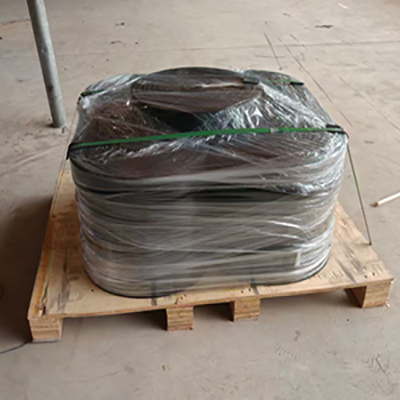
Please note: Customization is available.
Though neoprene bearing strips account for only a small fraction of the total precast component cost, their contribution to project quality is disproportionately large. Choosing a high‑quality neoprene bearing strip that meets international standards—such as AASHTO M251 or ASTM D4014—delivers three key benefits:
Maintenance‑free operation – No moving parts and no reliance on sliding friction means no regular upkeep after installation.
Extended structural service life – Effectively prevents stress concentration and support‑related damage.
Enhanced structural safety – Provides reliable, flexible connections that improve the structure's ability to resist deformation.
In today's pursuit of lean, high‑quality precast construction, every detail matters. Neoprene bearing strips are a critical link in the connection system—choosing the right product is like investing in reliable "insurance" for your project's long‑term performance.
FAQ
Q1: What role do neoprene bearing strips play in precast components?
Installed beneath precast beams, columns, and supports, they ensure uniform load transfer, accommodate rotation and horizontal displacement, and buffer vibration—preventing cracking or damage from thermal and load‑induced movements.
Q2: Why choose neoprene over natural rubber?
Neoprene offers superior weather, ozone, and aging resistance, along with excellent low‑temperature flexibility (no hardening) and inherent flame retardancy—making it ideal for outdoor exposure and fire‑sensitive applications.
Q3: How do I select the right hardness?
Typical hardness ranges from Shore A 50 to 70. Higher loads require higher hardness grades. Final selection should be made by a structural engineer based on design load requirements.
Q4: Do neoprene bearing strips need regular maintenance?
No. They contain no moving parts, do not rely on sliding friction, and function through internal shear deformation. They are maintenance‑free after installation and offer a long service life.
Q5: How long do neoprene bearing strips last?
Under normal conditions, service life can exceed 20 years. For steam‑curing or extreme high‑temperature environments, specify a heat‑resistant grade to prevent premature aging.
Q6: What key specifications should I look for when purchasing?
Focus on five critical parameters: Hardness (Shore A) , Tensile Strength (≥15.5 MPa), Elongation at Break (≥300%), Compression Set (lower is better), and compliance with international standards such as AASHTO M251 or ASTM D4014.
Tags :

Whatsapp : +86 -13559234186
Email : sale@lscmagnetics.com
Tel : +86 -13559234186