-

Email Us
sale@lscmagnetics.com -

Contact Number
+86 -13559234186
Email Us
sale@lscmagnetics.comContact Number
+86 -13559234186

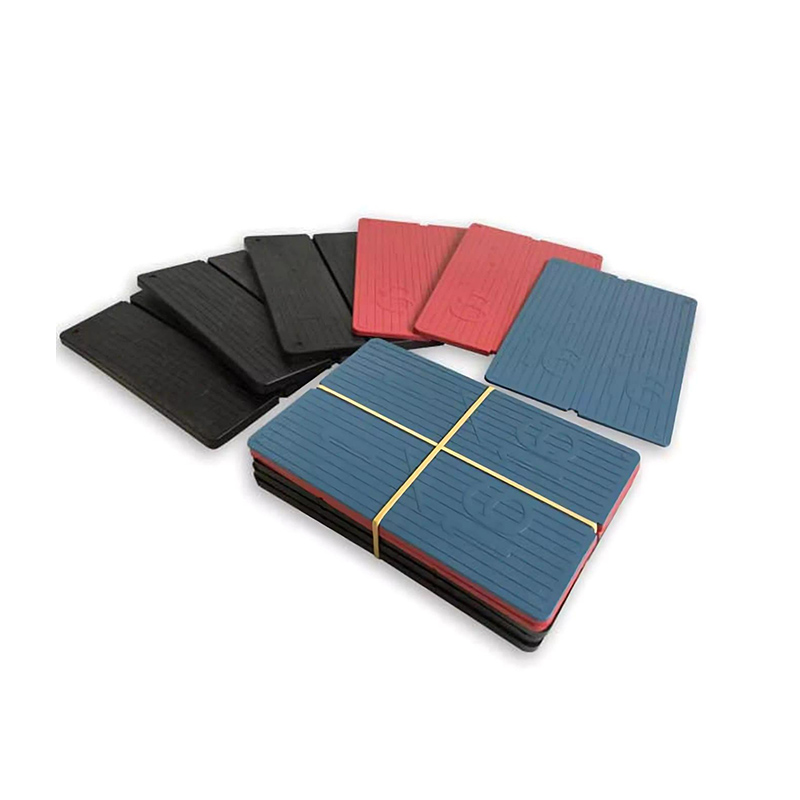
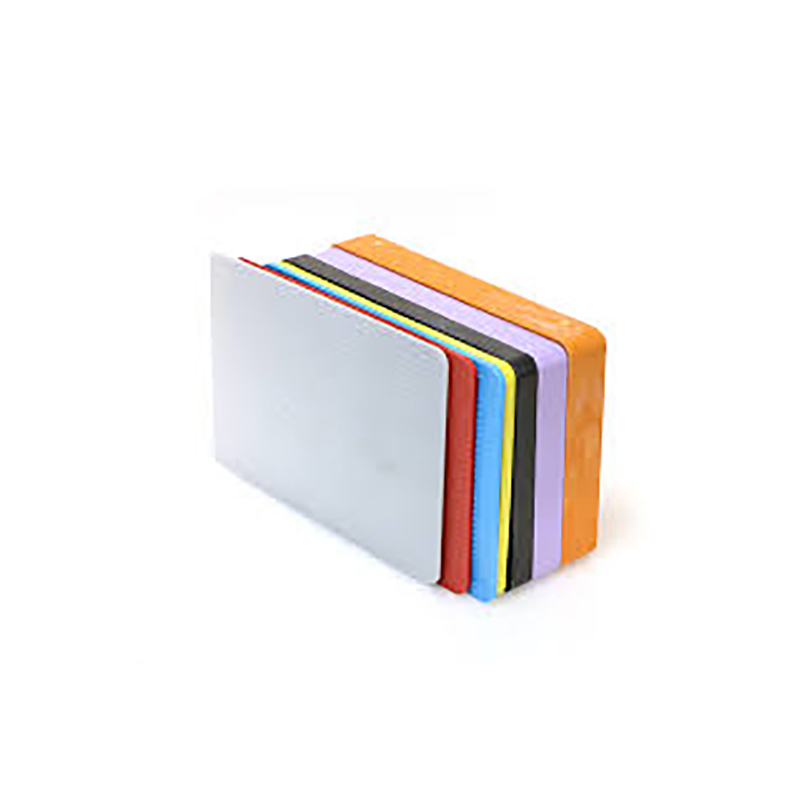
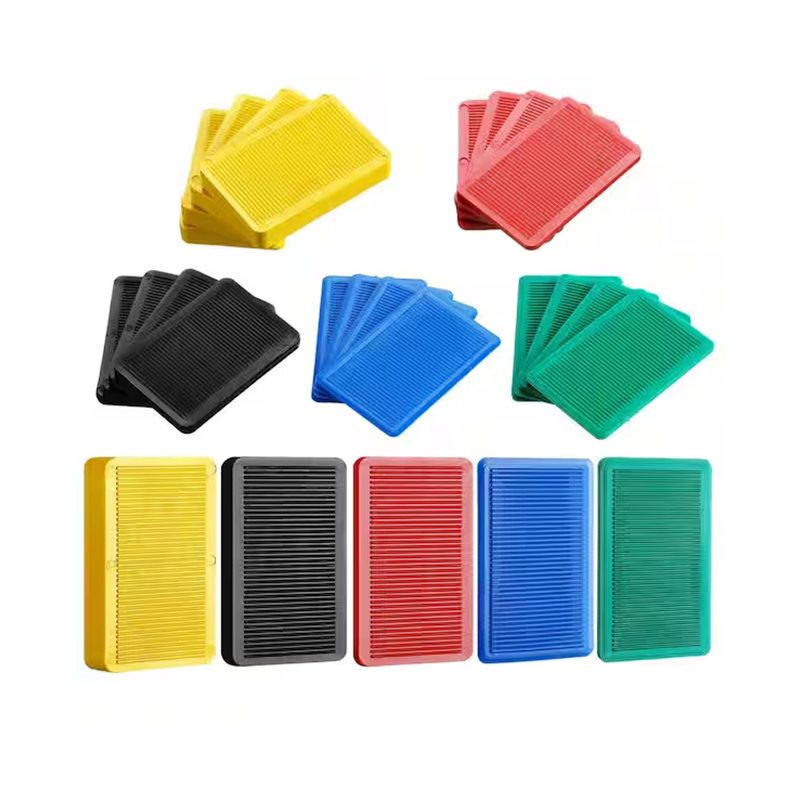
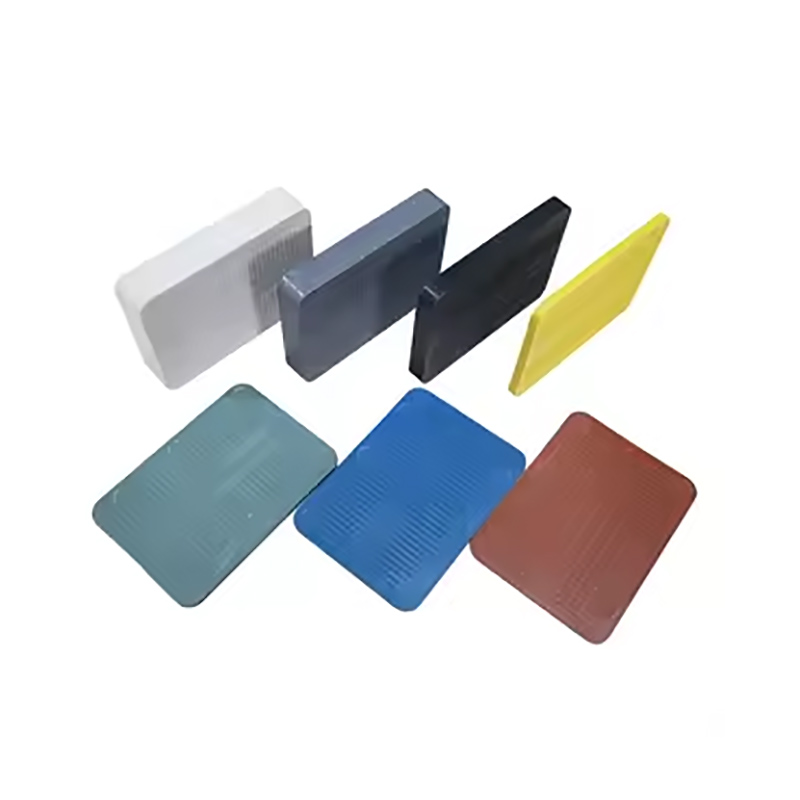
Plastic shim pad are essential auxiliary materials used in building installations for precision leveling, gap spacing, and load support. Manufactured from high-strength engineering plastics such as polypropylene (PP), high-impact polystyrene (HIPS), and ABS, they are widely employed for leveling gaps in door and window openings, aligning precast concrete panels, controlling spacing in stone curtain walls, and installing machinery. Thanks to the excellent weather resistance and structural stability of plastic, these shims deliver consistent performance even in harsh environments—high temperatures, extreme cold, freeze-thaw cycles, and prolonged humidity—providing durable and reliable installation support for a wide range of projects.
Item No :
Plastic shim padOrder(MOQ) :
500Product Origin :
chinaLead Time :
7-10daysPlastic Shim Pad for Precast Concrete
In the construction industry, seemingly insignificant shims often play a critical role in determining overall quality. For door/window installation, precast concrete panel leveling, and stone curtain wall construction, traditional wooden shims have long suffered from rot, deformation, and insufficient load‑bearing capacity, which compromises accuracy and creates safety hazards. Addressing this industry pain point, plastic shims—thanks to their superior material properties and ease of installation—are becoming the go‑to choice for more and more professional contractors.
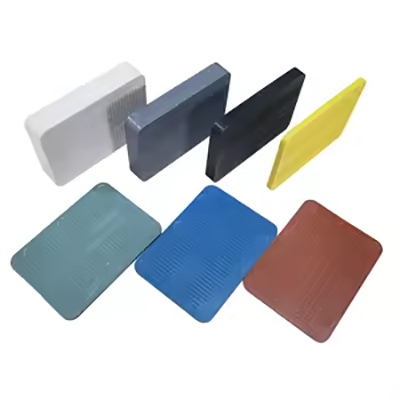
Plastic shim pad is a flat spacer pad precision‑molded from high‑strength engineering plastics (e.g., PP, PE, PVC, or composites). It is widely used for installing doors and windows, positioning precast concrete components, leveling mechanical equipment, and adjusting cabinets and furniture.
 、
、
In building door/window installation, stacking of precast concrete elements, and precision assembly of industrial equipment, shims are indispensable for fine‑tuning and leveling. However, traditional materials have long had major drawbacks:
Wood shims: Prone to rot and decay from moisture; extremely short lifespan in the alkaline environment of concrete; often lead to loosening of door/window frames and subsequent air/water leakage.
Metal shims: Heavy, corrosion‑prone, and conductive (thermally and electrically)—they create thermal bridges in insulated walls and can scratch the surface of profiles.
Rubber shims: Insufficient compressive strength; prone to creep and aging under long‑term loads, thus failing to meet structural support requirements.
With the growing demands of green building standards and higher construction quality, the market urgently needs a lightweight, corrosion‑resistant, non‑conductive, and precisely dimensioned alternative.
Plastic shims were developed specifically to solve this industry challenge. Unlike traditional gaskets, they achieve a perfect balance of corrosion resistance, insulation, light weight, and standardized dimensions through advanced materials science and structural design. They can directly replace wood, metal, and low‑quality rubber shims, offering a reliable, durable, and efficient leveling and support solution for modern engineering projects.
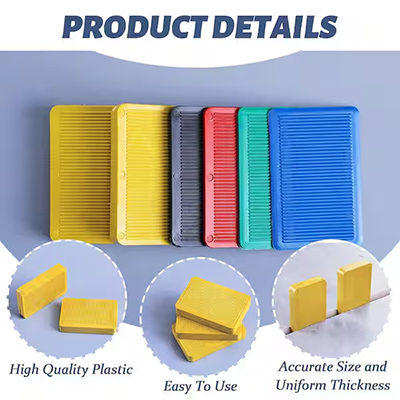
Plastic shims are made of high‑density polypropylene (PP) or polyethylene (PE), giving them excellent resistance to acids, alkalis, salt spray, and UV radiation. Unlike wood, they do not absorb moisture or rot; unlike metal, they do not oxidize or rust. Whether in salt‑laden coastal environments, damp basements, or outdoor sites with extreme heat or cold, plastic shims maintain dimensional stability and eliminate any risk of future failure.
The plastic material itself has excellent electrical insulation and low thermal conductivity. This prevents thermal bridges during door/window installation, helping to maintain continuous wall insulation and meet building energy codes. In industrial settings, it effectively prevents galvanic corrosion between dissimilar metals, extending equipment life.
Plastic shims weigh only 1/8 to 1/10 as much as metal shims of the same volume. Workers can easily carry and quickly place them, significantly reducing physical strain. Their smooth surface and precise dimensions enable plug‑and‑play functionality, eliminating the need for on‑site cutting or modification and greatly improving construction efficiency.
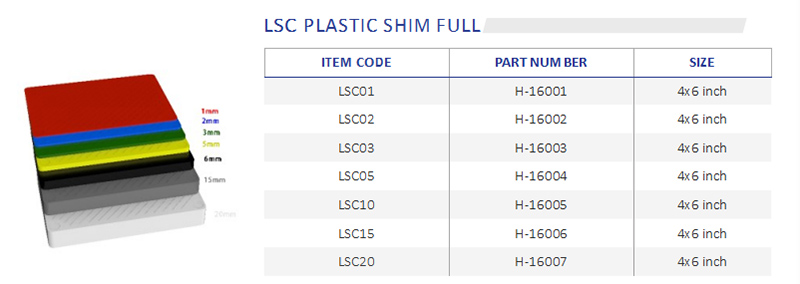
Plastic shims are available in thicknesses ranging from 1 mm to 20 mm and even thicker. Common footprint sizes include 76×38 mm, 100×75 mm, and 150×60 mm. They can be flexibly combined to match the actual gap of door/window frames, prefabricated components, or machinery bases, achieving millimeter‑accurate leveling.
Some high‑end plastic shims use a color‑coded system to indicate thickness (e.g., red = 2 mm, yellow = 3 mm, blue = 5 mm). This allows workers to instantly identify the required thickness without measuring, reducing installation mistakes. It is especially suitable for large‑scale, standardized construction.
Engineering plastic shims are 100% recyclable and reusable. Their production does not consume forest resources, and they can be recycled at end‑of‑life, meeting the requirements of LEED and other green building certification systems for sustainable materials.
Three steps to complete precise leveling
1、Measure the gap – Use a feeler gauge or steel tape to measure the actual gap between the door/window frame (or component) and the base surface.
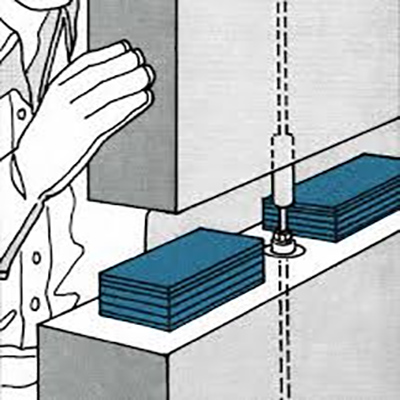
2、Select and install – Choose the appropriate thickness of plastic shim. Multiple layers may be stacked; ensure the shims cover the load‑bearing area.
3、Fix and verify – After installing fasteners, use a level or straightedge to check flatness and verticality. Once confirmed, proceed to the next ste
No special tools, no on‑site cutting – just plug and play.
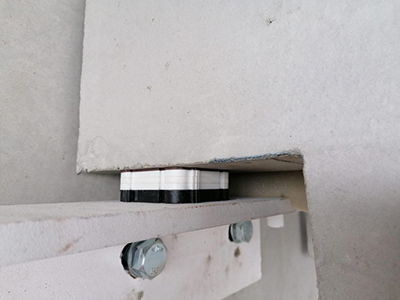
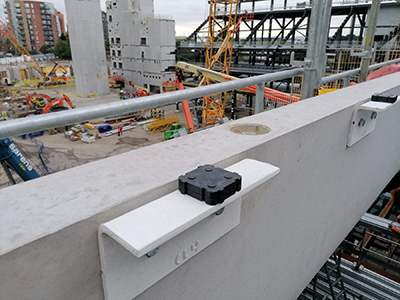
Plastic shims have broad application prospects in construction and engineering. Typical uses include:
Concrete door and window openings – Providing precise leveling and load‑bearing support for window/door frames, ensuring square installation and smooth operation.
Precast concrete wall panels – Enabling precise vertical and horizontal alignment before final fixing, maintaining uniform joint spacing.
Stone curtain walls and masonry projects – Serving as temporary or permanent positioning tools to maintain exact spacing between stone or brick units, ensuring a flat, aesthetically pleasing finish.
Mechanical equipment installation – Used for horizontal calibration and balanced load distribution of heavy machinery.
Curtain wall and window wall systems – Providing precise vertical or horizontal positioning in unitized curtain walls and strip window systems, meeting the tight tolerances of large‑span facades.
Q1: What is the load‑bearing capacity?
A: High‑density engineering plastic shims have excellent compressive strength. Some reinforced products can safely withstand assembly loads exceeding 6,000 kg, meeting structural and industrial requirements.
Q2: What is the purpose of color coding?
A: Color coding quickly indicates thickness (e.g., red = 2 mm, yellow = 3 mm, blue = 5 mm), allowing workers to identify the right shim without measurement. This reduces on‑site errors and improves efficiency in large‑scale construction.
Q3: Are plastic shims environmentally friendly? Do they contribute to green building certification?
A: Yes. They are made of virgin engineering plastics, are 100% recyclable, and comply with RoHS, REACH, and other environmental standards. They meet the requirements of LEED and similar green building systems for sustainable materials.
Q4: How can I distinguish high‑quality plastic shims from cheap recycled‑material ones?
A: High‑quality plastic shims have the gloss of virgin material, precise dimensions, and good toughness (not brittle at low temperatures). Cheap recycled versions often have dull colors, large dimensional deviations, are prone to cracking under load, and may contain harmful substances.
Q5: What indicators should I pay most attention to when purchasing?
A: Focus on material type (PP/PE/PVC), thickness and dimensional fit, compressive strength, environmental certifications (RoHS/REACH), and whether color‑coding is supported.
Tags :


Whatsapp : +86 -13559234186
Email : sale@lscmagnetics.com
Tel : +86 -13559234186