-

Email Us
sale@lscmagnetics.com -

Contact Number
+86 -13559234186
Email Us
sale@lscmagnetics.comContact Number
+86 -13559234186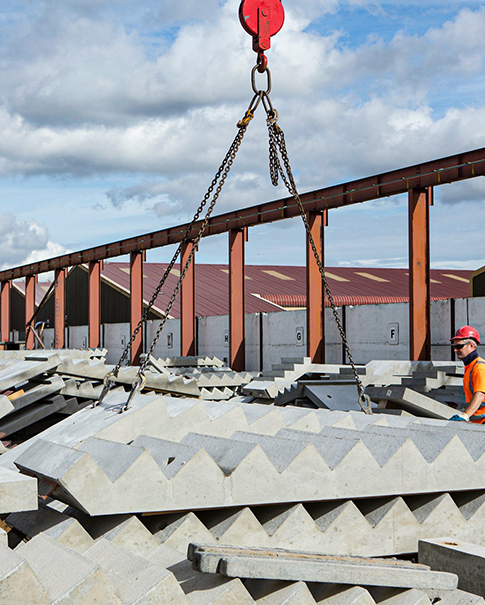

As the crane boom rises smoothly and the massive concrete component is precisely positioned, it's not just about advanced technology, but also the continuous and efficient operation of a sophisticated system. Precast concrete hoisting equipment, as the "steel giants" of modern construction, directly impacts project safety and efficiency with its stability. Want to keep these "iron hands" always at your command? The secret lies in listening to their "voices" and providing them with scientific maintenance.
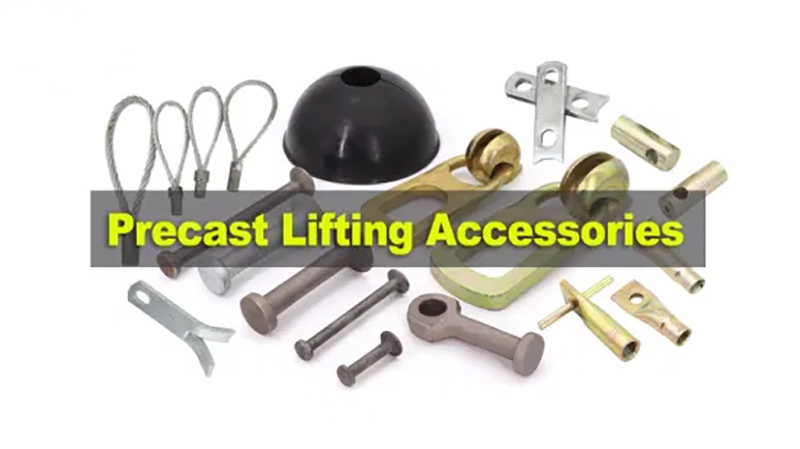
First, key points for daily maintenance:
1. Cleaning: After each use, promptly clean the surface of the hoisting equipment to remove dust, oil, and concrete residue to prevent dirt accumulation and performance degradation.
2. Inspecting critical components: Regularly inspect critical components such as hooks, wire ropes, and brakes. Hooks should be free of cracks and deformation, and safety locking devices should be functioning properly. Wire ropes should be free of broken strands and excessive wear; replace any abnormalities immediately.
3. Lubrication: Regularly apply lubricating oil or grease to moving joints, bearings, gears, and other parts of the equipment to reduce friction and extend its service life.
4. Safety device inspection: Ensure all safety protection devices are complete and functioning properly, such as torque limiters and height limiters. These devices can promptly issue alarms or automatically shut down the equipment in case of abnormal operation, ensuring operational safety.
Secondly, key points for regular maintenance:
1. Wire ropes and slings: Regularly inspect and maintain wire ropes, including checking for wear, deformation, corrosion, etc. Slings should also undergo regular load-bearing capacity tests to ensure their safety and reliability.
2. Lifting equipment inspection: Conduct structural flaw detection on lifting equipment, especially for lifting equipment of large or complex components, to ensure they are free of cracks, deformation, and other defects.
3. Comprehensive equipment inspection: Regularly conduct a comprehensive inspection of lifting equipment, including mechanical, electrical, and hydraulic components, to promptly identify and repair potential faults.
Finally, maintenance under special conditions:
1. High-temperature environment: In hot weather, strengthen cooling measures for the equipment to prevent overheating. At the same time, appropriately increase the lubrication frequency to prevent lubricating oil from failing due to high temperatures.
2. Low-temperature environment: In low temperatures, pay attention to anti-freeze measures for the equipment, such as draining water pipes to prevent freezing and cracking. Also, preheat the hydraulic and lubrication systems before starting the machine.
In short, high-level maintenance is never the work of one person. Establish a clear maintenance log, recording details of each inspection, maintenance, and troubleshooting. Simultaneously, regularly provide professional refresher training for the operation and maintenance team, strengthening safety awareness and emergency response capabilities, ensuring that every member becomes a "guardian" of equipment health.
Every meticulous inspection and every standardized maintenance is a direct investment in project safety and efficiency. After all, the most reassuring construction scenario is always when equipment operates smoothly, silently yet powerfully.
Whatsapp : +86 -13559234186
Email : sale@lscmagnetics.com
Tel : +86 -13559234186