-

Email Us
sale@lscmagnetics.com -

Contact Number
+86 -13559234186
Email Us
sale@lscmagnetics.comContact Number
+86 -13559234186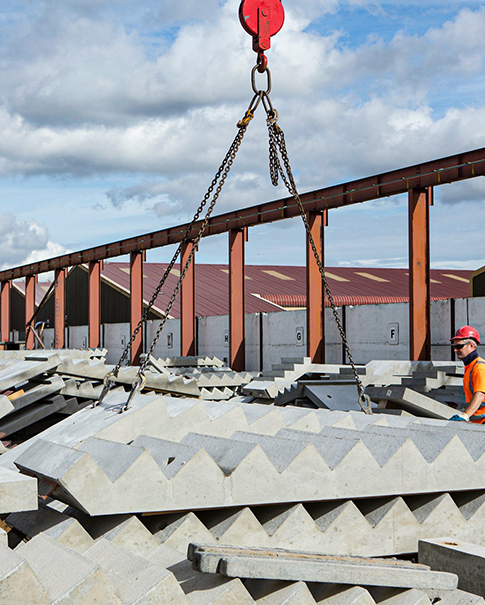

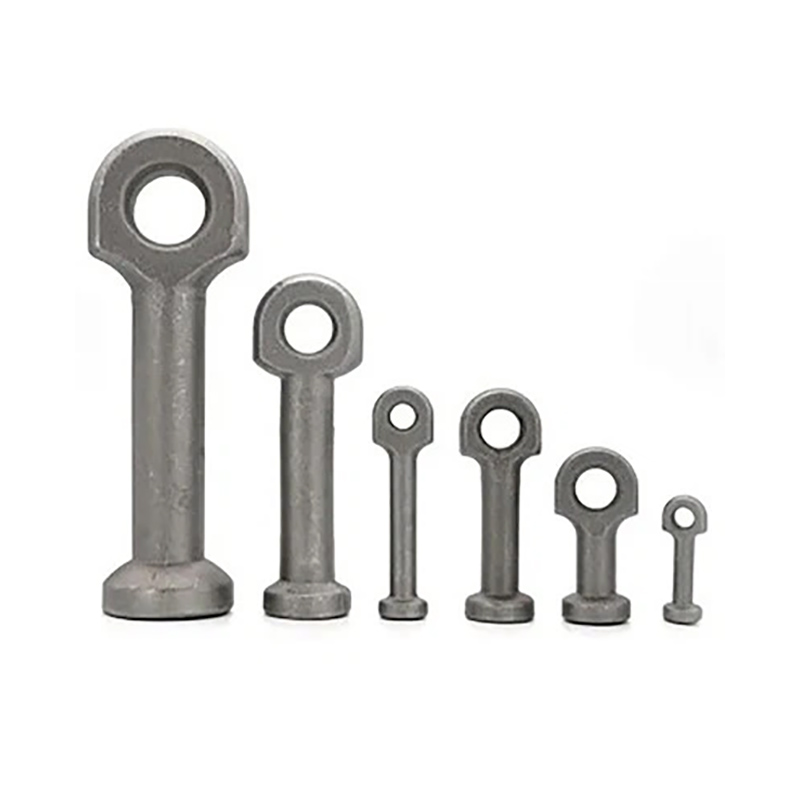
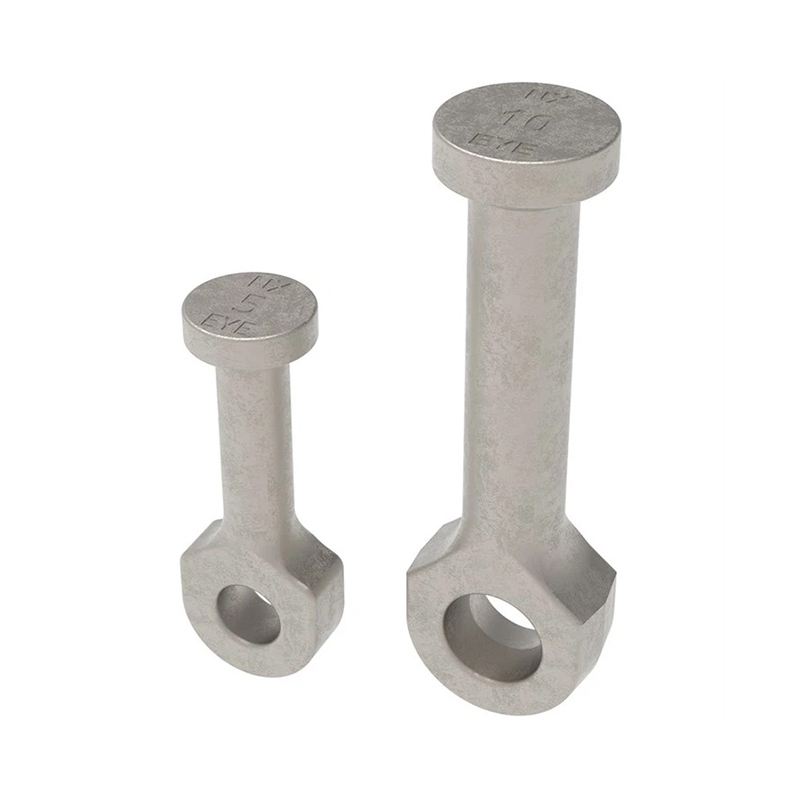
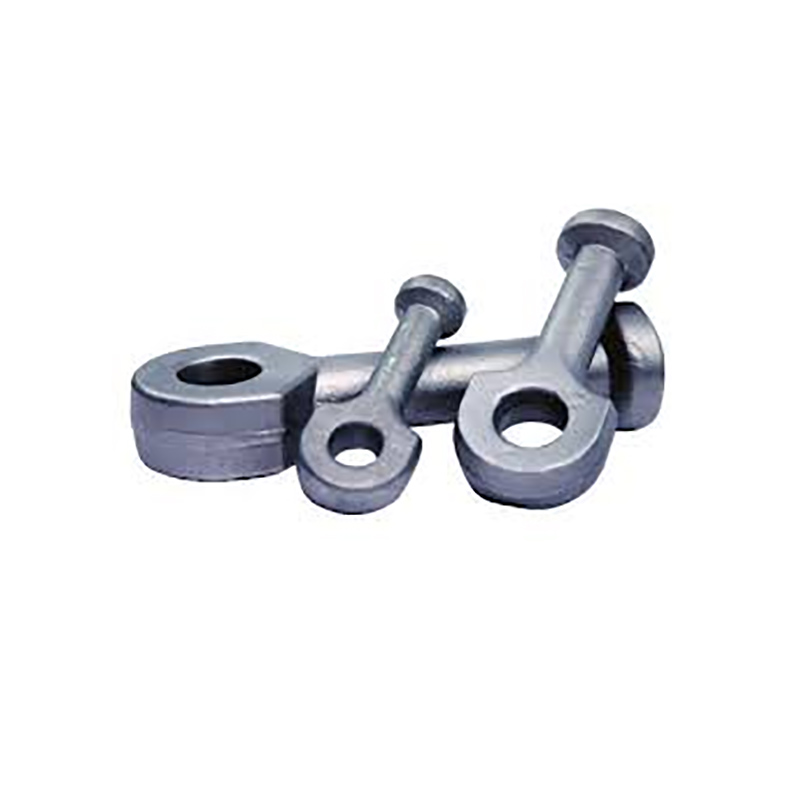
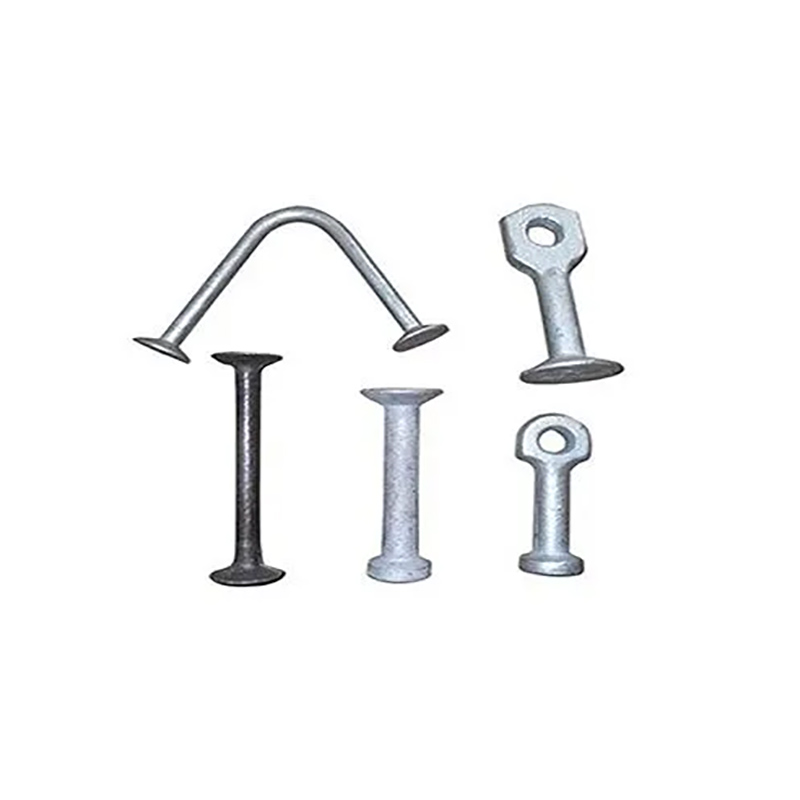
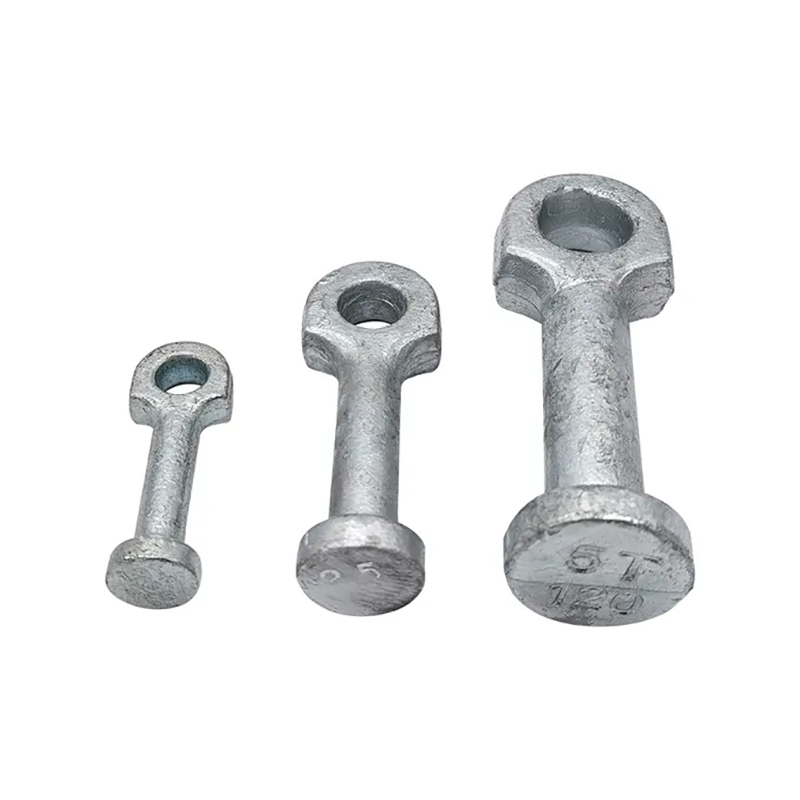
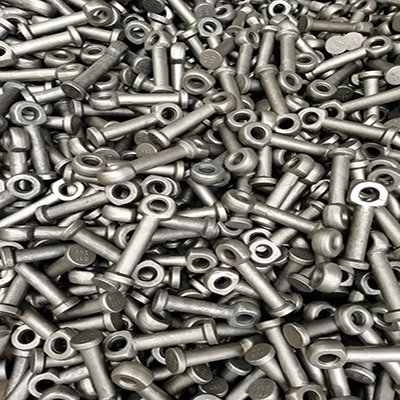
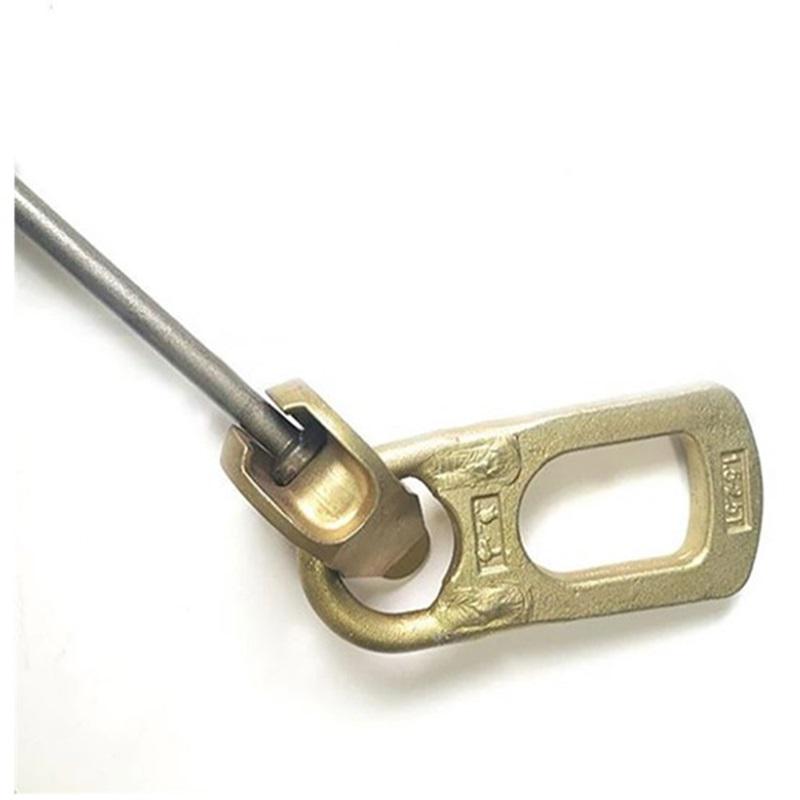
The precast concrete lifting eye anchor is a specially designed embedded metal component. It is pre‑installed in the mold before concrete pouring and becomes part of the internal structure after the concrete cures. Lifting eye anchors are typically manufactured from high‑quality alloy steel using a hot‑forging process. One end has a ring‑shaped “eye” for connecting lifting clamps or hooks; the other end features a disc‑ or ball‑shaped foot that is deeply embedded into the concrete to transfer loads efficiently.
Item No :
Lifting Eye Anchors For Precast ConcreteOrder(MOQ) :
500Product Origin :
chinaLead Time :
7-10daysLifting Eye Anchors For Precast Concrete
Precast concrete components are becoming the mainstream choice in modern construction due to their key benefits: fast construction speed, consistent quality, and eco-friendliness with energy efficiency. The global precast concrete market is projected to reach 151.14billionby2025andisexpectedtoexceed242.59 billion by 2032. However, safely lifting heavy concrete components during production, transportation, and on‑site installation remains a core industry concern. Precast concrete lifting eye anchors are a key solution to this challenge.
Unlike traditional cast‑in‑place methods, modern construction increasingly relies on precast concrete technology. Components such as wall panels, floor slabs, beams, columns, and stairs are prefabricated in a factory and then transported to the site for assembly. In this process, lifting eye anchors play an irreplaceable role, directly affecting the safety and efficiency of demolding, stacking, and final installation.
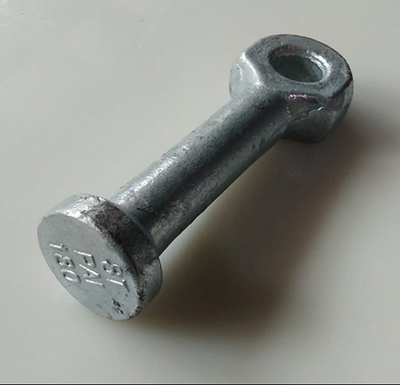
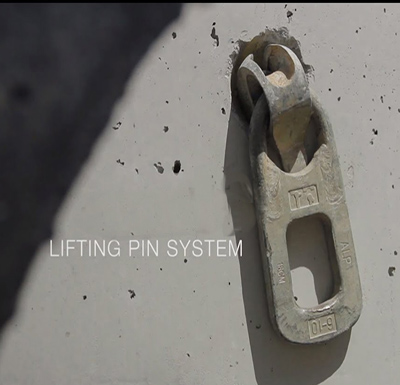
Based on structural design and application scenarios, mainstream lifting eye anchors can be divided into the following categories:
Spherical head anchors are among the most widely used types. Their unique spherical head allows quick engagement and release with a dedicated lifting clamp. They offer load capacities ranging from 1.3 t to 45 t, making them suitable for safely hoisting various precast components. The spherical head design also allows the anchor to rotate freely under load, effectively preventing twisting or displacement during lifting.
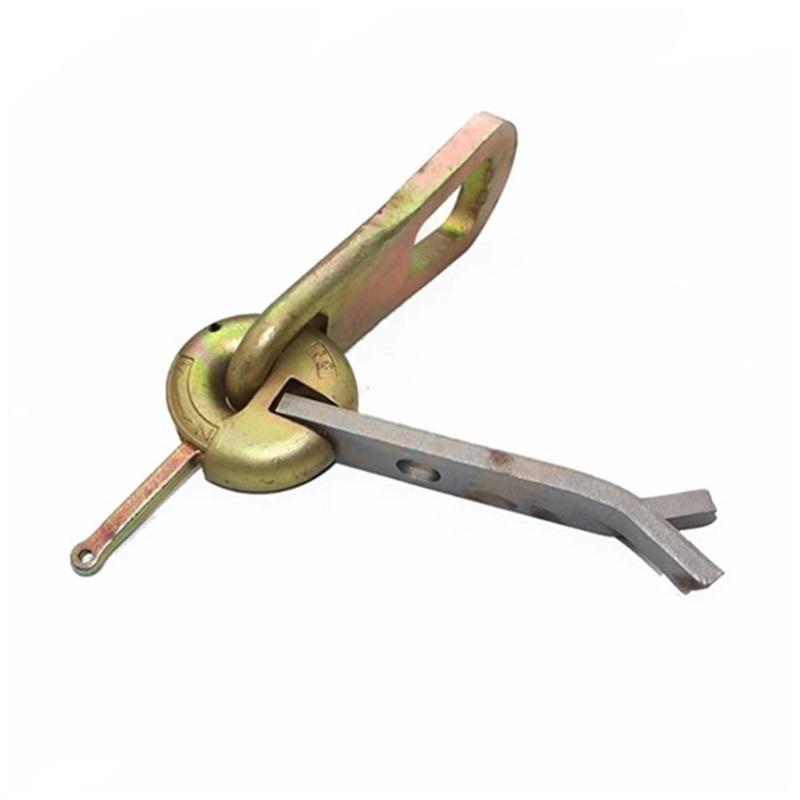
Flat plate anchors use a flat steel plate structure and are specifically designed for thin precast components. They enable safe hoisting of horizontally cast elements without requiring a tilting table. Their quick‑release system supports remote release, making them particularly suitable for high‑rise building construction — significantly improving work efficiency and enhancing safety.
Double‑head anchors add a second anchoring point to the spherical head system, achieving anchorage inside the concrete via a steel reinforcing bar tail. This design provides higher pullout resistance and stability, making it ideal for large precast wall panels, columns, and infrastructure components.
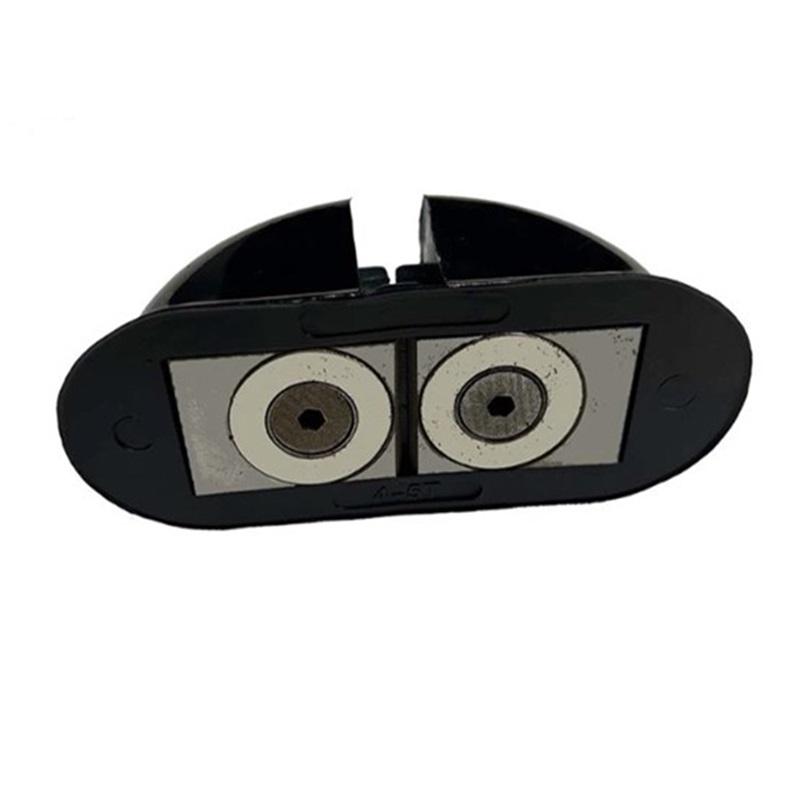
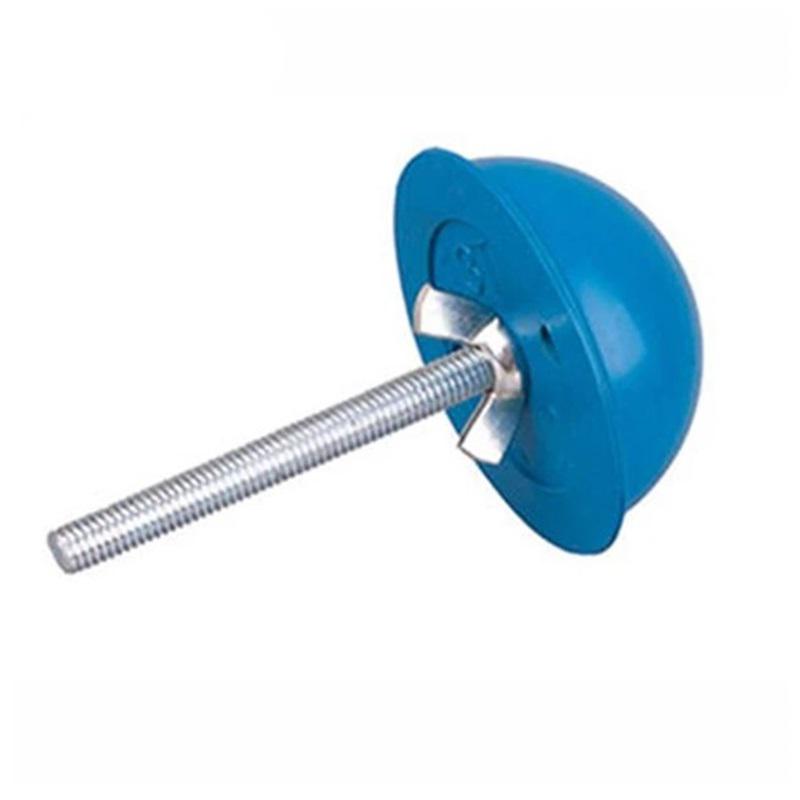
Utility lifting anchors require no special lifting tools and can be directly connected using standard hooks or shackles. They offer simple installation and cost‑effectiveness. These anchors come with reusable polyurethane groove plugs that effectively prevent “through holes” on the surface of precast components, maintaining structural integrity.
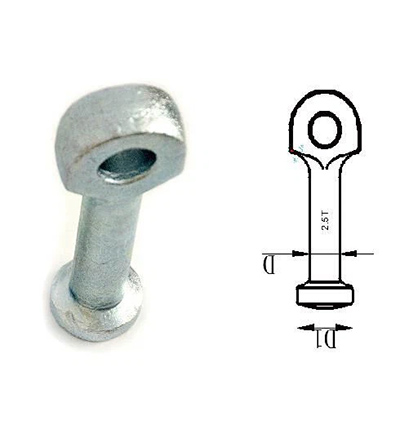 |
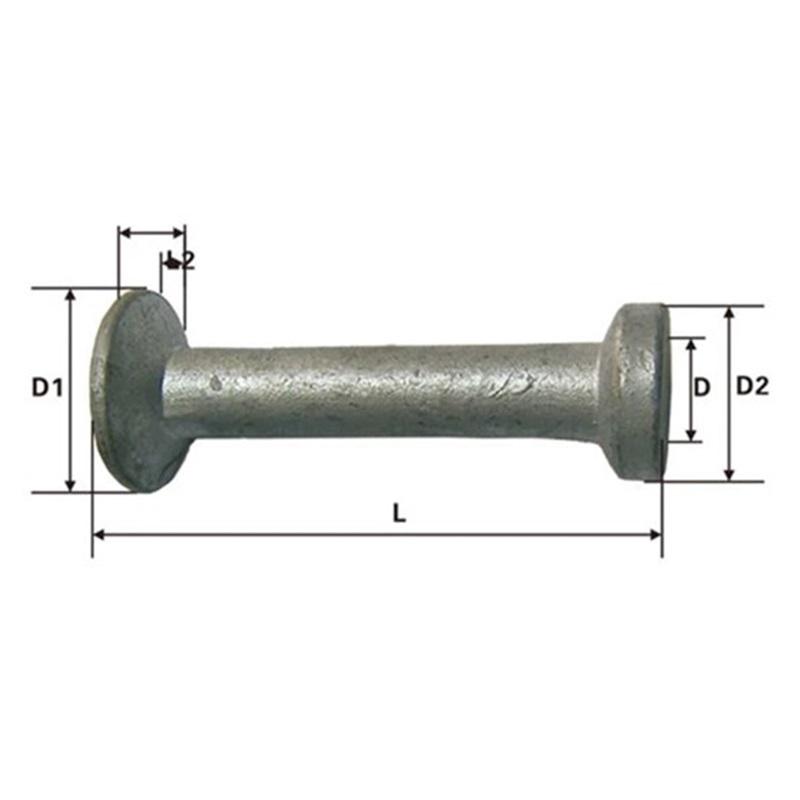
Code | Rated Load | Size(mm) | |||
| Tons | D | D1 | L | S | ||
| LSC1004013 | 1.3 | 10 | 19 | 65 | 8 | |
| LSC1004025 | 1.5 | 14 | 26 | 90 | 10 | |
| LSC1004050 | 5 | 20 | 36 | 120 | 14 | |
| LSC1004100 | 10 | 28 | 46 | 180 | 20 | |
| LSC1004200 | 20 | 38 | 69 | 250 | 28 | |
Lifting eye anchors are made of high‑strength forged alloy steel and undergo rigorous heat treatment and mechanical performance testing to ensure structural integrity even under extreme loads. In compliance with international standards (e.g., EN 1992, AS 3850), all products have passed material certification and breaking strength tests. Some have also obtained CE certification, providing solid protection for site personnel and equipment.
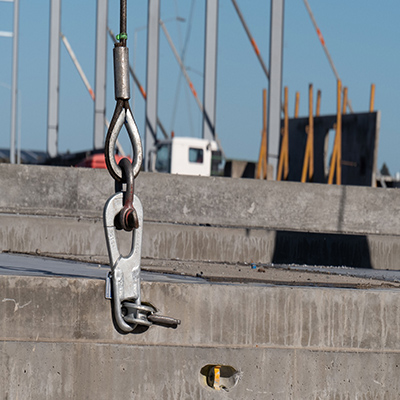
Taking the spherical head system as an example, engaging the lifting clamp with the anchor head takes only a few seconds — significantly reducing component loading and unloading time. For projects that require frequent repetitive lifts (such as large‑scale precast production bases), this quick‑connect system can dramatically improve production cycle times and reduce labor costs.
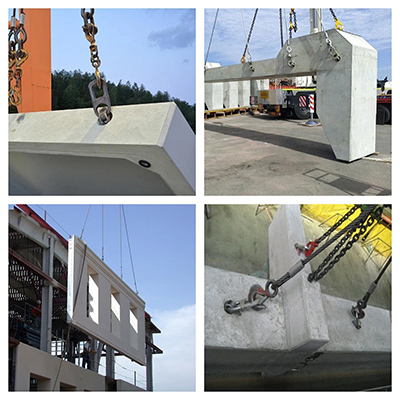
The design of the lifting eye anchor allows for multi‑directional rotation, tilting, and flipping under load. This means precast components can be precisely adjusted in mid‑air, enabling smooth and controlled movement — whether vertically hoisting wall panels or horizontally transporting floor slabs — effectively avoiding collision damage.
From lightweight residential wall panels to bridge components weighing tens of tons, and from standard rectangular elements to modular building units with complex geometries, the lifting eye anchor system offers a complete product range covering all load classes (0.7 t to 45 t), meeting almost every precast concrete lifting need.
Although a high‑quality lifting eye anchor system requires a slightly higher initial investment than temporary lifting solutions, its long‑term cost‑effectiveness is significant: lower component damage rates, reduced rework costs, shorter construction schedules, and reusable lifting equipment. Furthermore, anchors made of hot‑dip galvanized or stainless steel offer excellent corrosion resistance, extending product lifespan.
| Application Areas | Specific Components | Recommended Anchor Bolt Types |
| Commercial Buildings | Precast Exterior Wall Panels, Floor Slabs, Structural Beams | Spherical Head Anchors, General-Purpose Anchors |
| Residential Buildings | Precast Walls, Roofing Systems, Stairs | Flat Anchors, Single-Head Anchors |
| Infrastructure | Bridge Segments, Tunnel Linings, Retaining Walls | Double-Head Anchors, Heavy-Duty Spherical Head Anchors |
| Municipal Engineering | Concrete Pipes, Manholes, Culverts | General-Purpose Anchors, Specialized Pipe Segment Lifting Tools |
| Industrial Facilities | Equipment Foundations, Storage Tanks, Factory Structures | Double-Head Anchors, High-Strength Anchor Systems |
| Prefabricated Buildings | Modular Building Units, Sandwich Wall Panels | Flat Anchors, Adjustable Anchors |
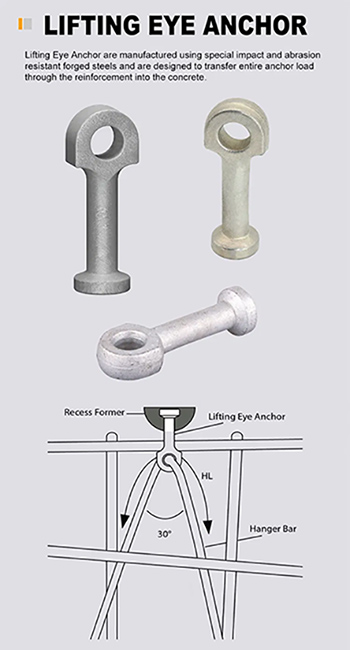
Determine the load rating – Based on component weight, center of gravity, and lifting method, select anchors with an appropriate working load limit and provide an adequate safety factor.
Consider concrete strength – The anchor’s load‑bearing capacity is directly related to concrete strength. In low‑strength concrete, the anchor may not achieve its rated load.
Assess environmental conditions – For marine environments, chemical industrial areas, or high‑humidity locations, choose stainless steel or hot‑dip galvanized anchors.
Match the system – Ensure the anchors are fully compatible with lifting clamps, groove formers, and other accessories. Avoid mixing different systems.
Pre‑embed positioning – Accurately fix the anchors in the mold before pouring concrete, ensuring that embedment depth and position meet design requirements.
Vertical loading – During lifting, the load should be applied along the anchor’s axis as much as possible to avoid excessive shear forces.
Regular inspection – Inspect anchors that are frequently used or exposed to harsh environments at least once a year. Promptly replace any worn, corroded, or cracked components.
Use certified accessories – Only use lifting clamps that are certified and match the anchor’s load rating. Overloading is strictly prohibited.
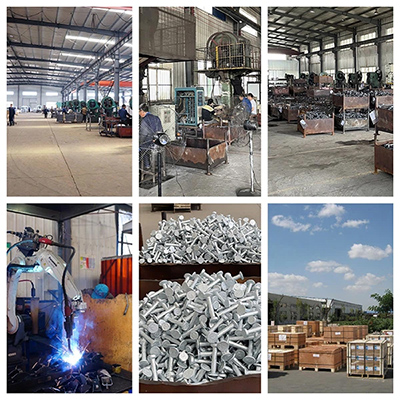
Factory of Lifting Anchor:
Why Choose Our Lifting Eye Anchors?
Focus on building materials manufacturing for more than 10 years
LSC's products are enhanced during production by factory QA and quality control inspections, if required, each order can be sent with a certificate for reference backtesting
OEM/ODM capability: more than 10 years experience
Easy installation thanks to rotational symmetry optimized for automatic bolt feeding.
Quickly attach the lifting gear into the anchor.
Sturdy and durable lifting device.
Our factory is customer-oriented for process management, emphasizing process control, quality cost management, and waste reduction. We also use advanced Product Quality Planning (PAPP), Potential Failure Modes and Effects Analysis (FMEA), Statistical Process Control (SPEC) Production Part Approval Process (PPAP), Measurement Systems Analysis (MAS) error proof methods to prevent defects from being occur.
Tags :

Whatsapp : +86 -13559234186
Email : sale@lscmagnetics.com
Tel : +86 -13559234186