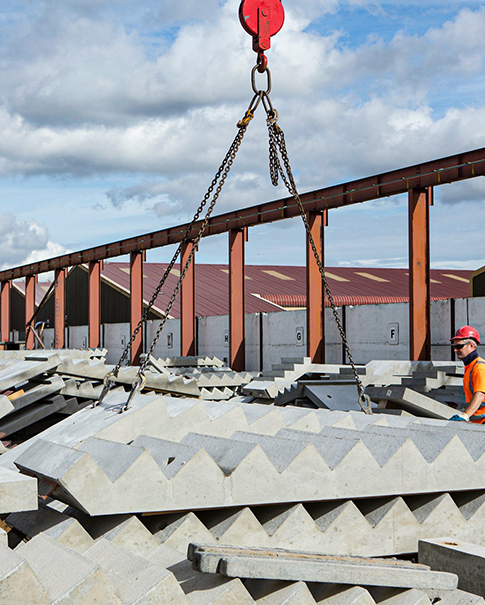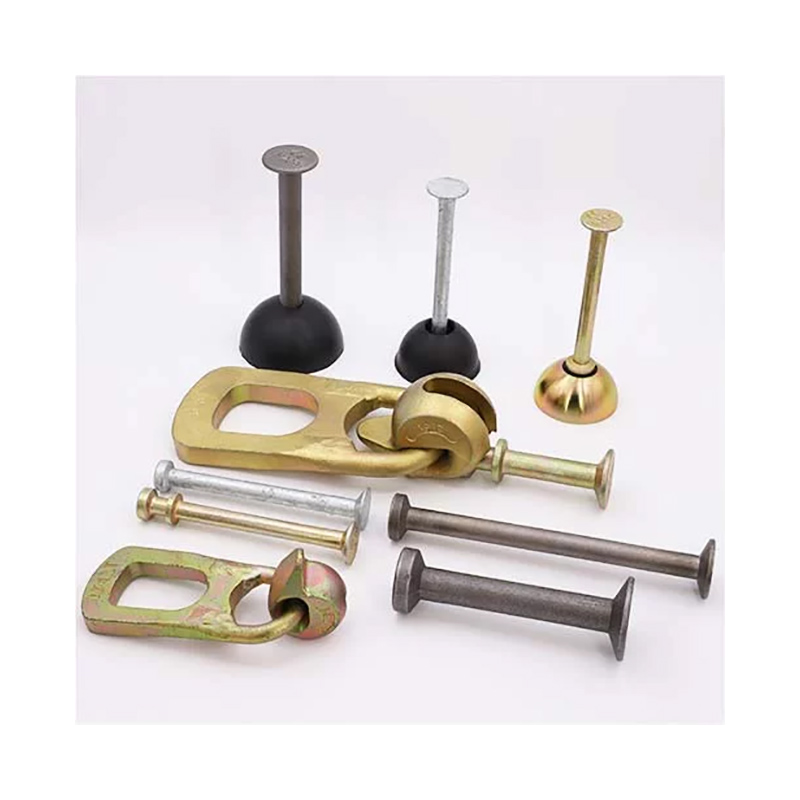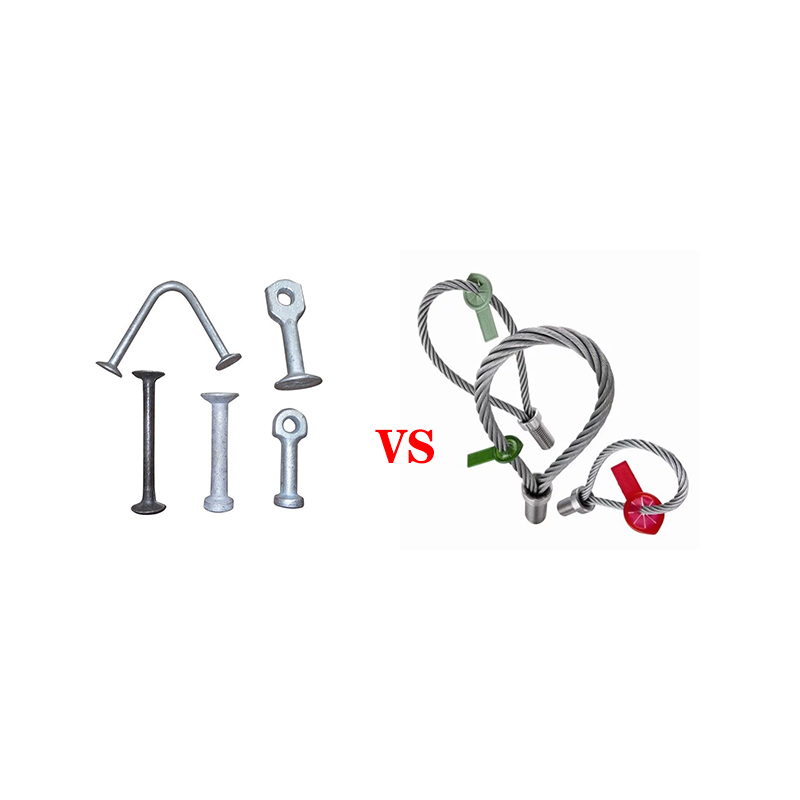
With the evolution of modern construction, precast concrete elements are assuming an increasingly vital role. Anchoring technology within these elements serves as a critical foundation for ensuring overall structural stability and safety.
Precast elements are factory-manufactured building components...
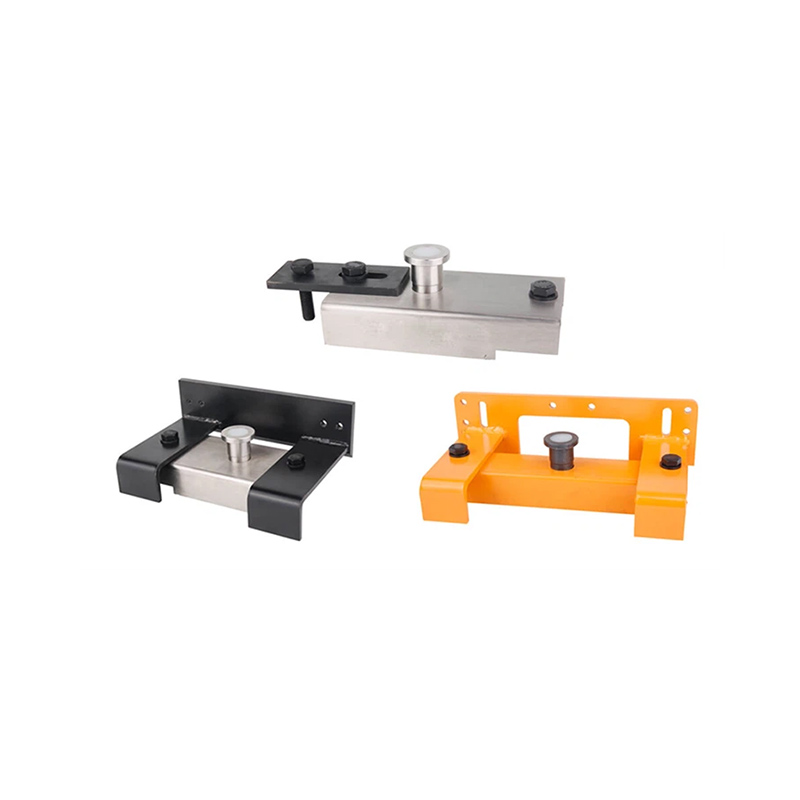
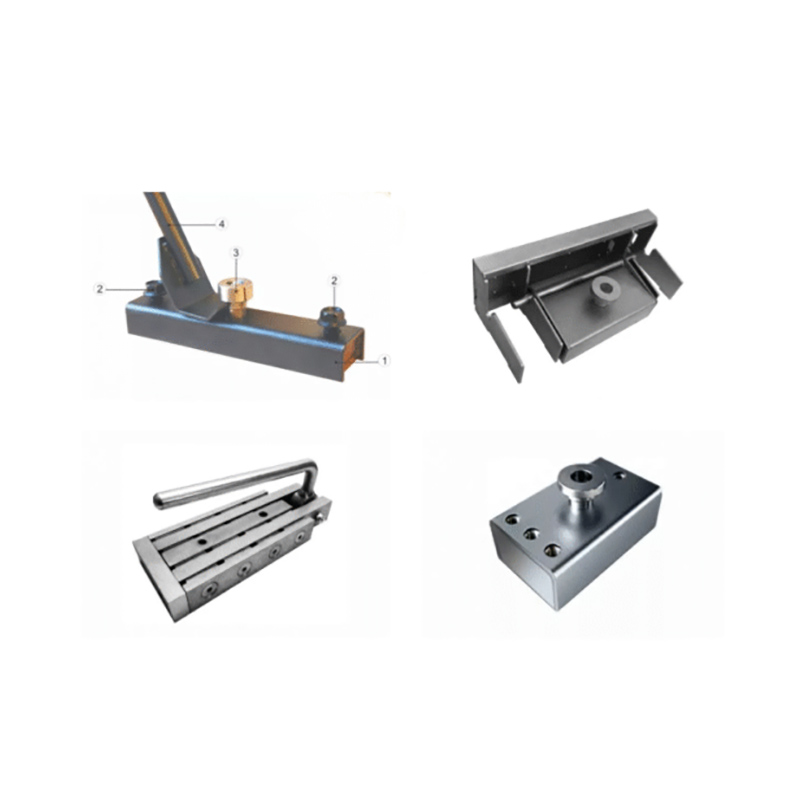
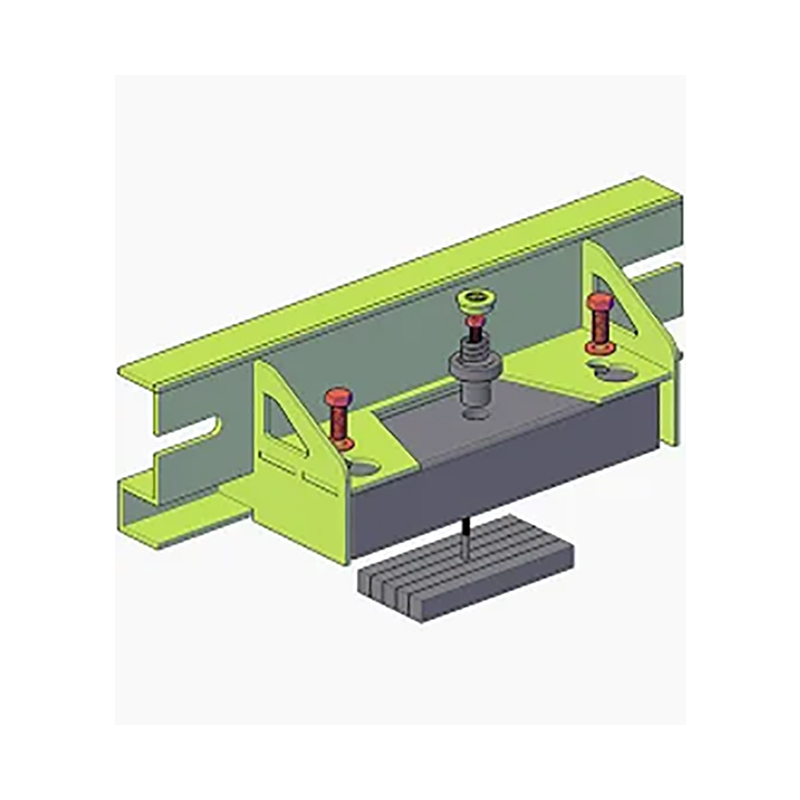
In the precast concrete industry, traditional methods of securing formwork are not only time-consuming and labor-intensive but can also damage expensive steel casting beds. Is there an efficient, non-destructive solution? The answer is the shutter magnet. This revolutionary tool is transforming form...
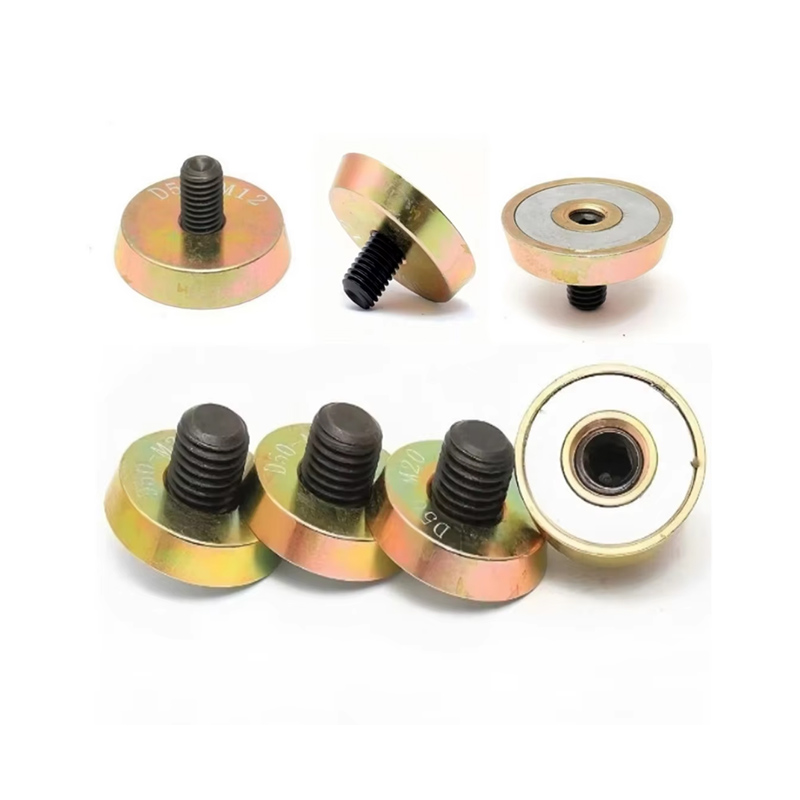
In the production of precast concrete components, countless pipes, sleeves, and embedded parts must be precisely positioned before concrete is poured. They function like the "neural network" of a building, destined to carry electrical wiring, plumbing, and connecting bolts. But how can we ens...
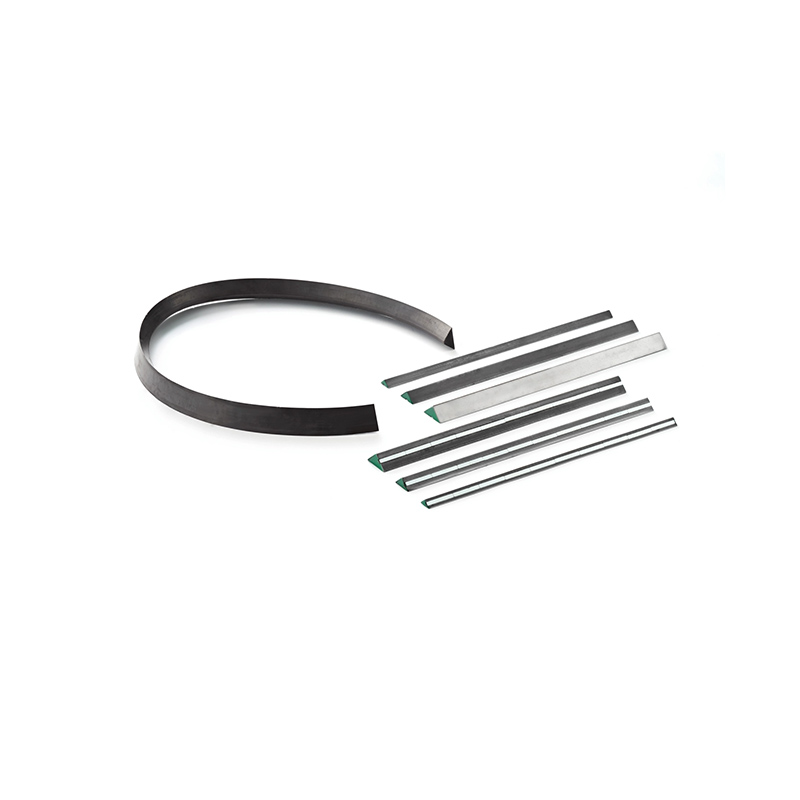
In precast concrete production, edge quality is often the first thing noticed, yet the most overlooked detail. Whether it's the visual appeal of an architectural facade or the safety of handling components on-site, the treatment of panel edges plays a critical role. The introduction of magnetic...
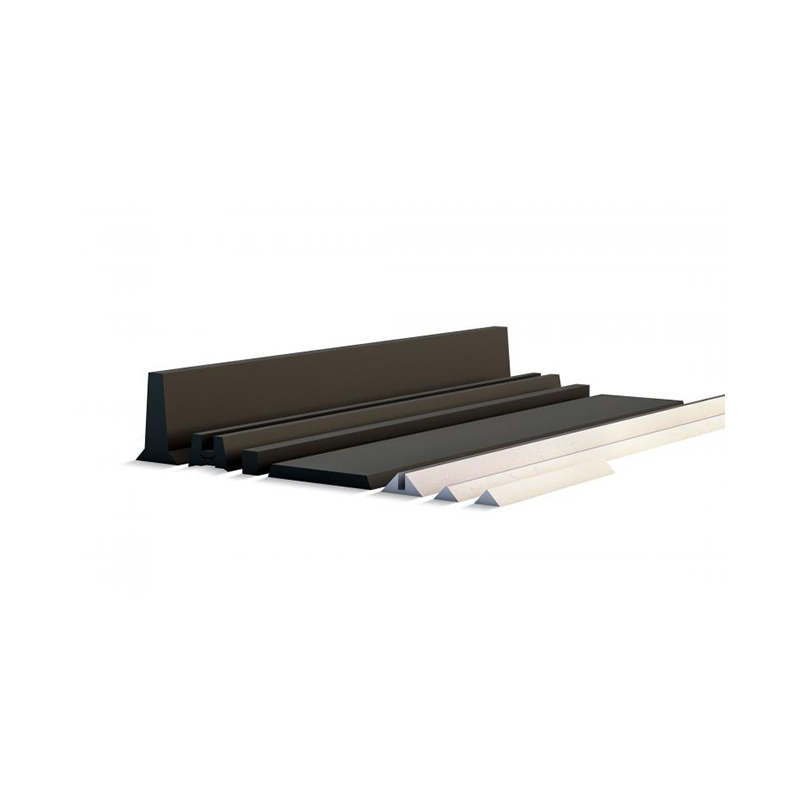
In the production of precast concrete (PC) components, a seemingly minor detail—chamfering—has a direct impact on finished product quality, installation efficiency, and mold costs.
Chamfering refers to the treatment of component edges. Its purpose is not only aesthetic but also fun...
In traditional precast concrete production, securing formwork has long relied on welding, bolts, or mechanical clamps. These methods are not only time‑consuming and labour‑intensive but also damage the surface of expensive steel moulds. The arrival of magnetic formwork has completely changed this pi...
In the production of precast concrete components, the method of fixing the formwork directly affects production efficiency, component precision, and overall cost. Currently, the two main technical approaches on the market—Shuttering Magnet and screw fixing—each have → each has their...
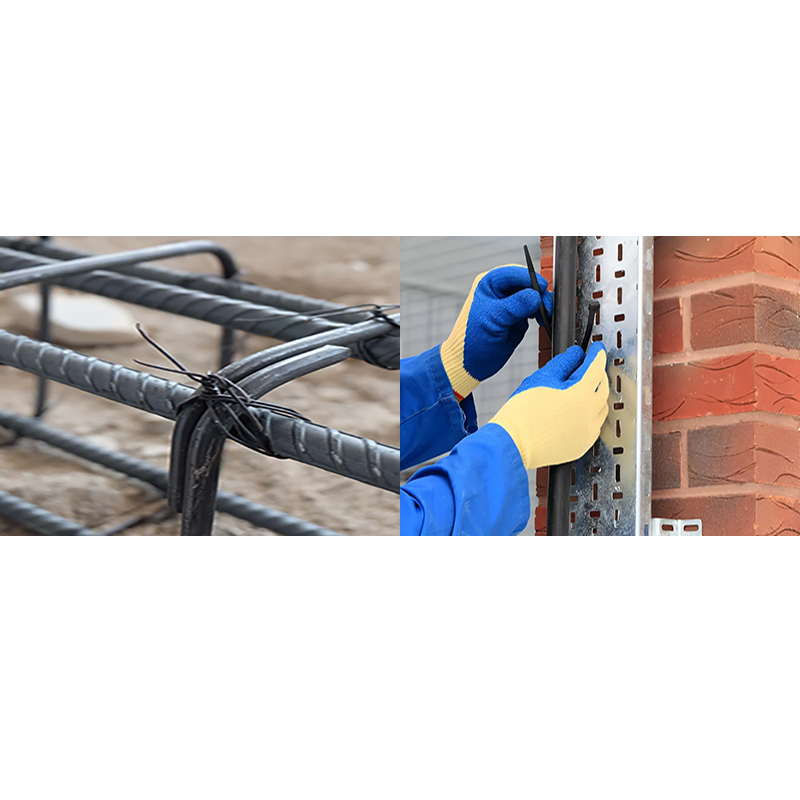
In reinforced concrete construction, securely tying the rebar together is a crucial step in ensuring structural stability. Although the tying materials themselves do not directly carry structural loads, they determine whether the rebar cage shifts during concrete placement, which directly affects th...