-

Email Us
sale@lscmagnetics.com -

Contact Number
+86 -13559234186
Email Us
sale@lscmagnetics.comContact Number
+86 -13559234186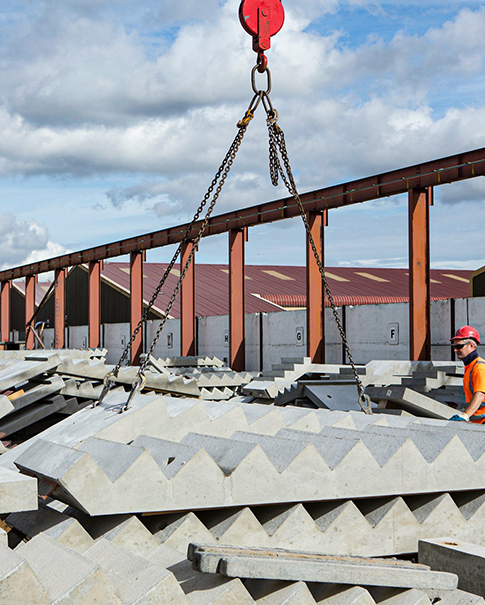

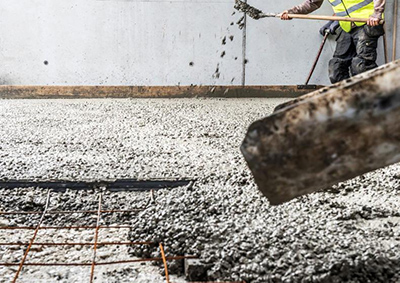
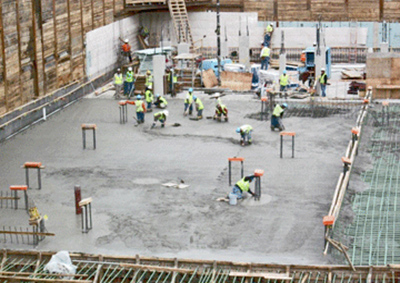
Concrete placement faces significant challenges in low-temperature winter environments. When the ambient temperature falls below 5°C, the cement hydration reaction slows down, impeding strength development. If the temperature drops below 0°C, internal moisture freezes and expands, causing structural damage. Therefore, implementing scientific thermal protection measures is essential for winter construction.
I. Core Insulation Strategies
1. Raw Material Preheating
- Heat mixing water to 60-80°C (avoid direct contact between cement and hot water).
- Preheat aggregates to remove all ice and snow.
- Use antifreeze admixtures to depress the freezing point.
2. Protection During Placement
- Erect windbreaks to reduce heat loss from the fresh concrete.
- Use insulated formwork or double-layer formwork systems.
- Employ site heaters (e.g., halogen heaters) for localized heating during night work or extreme cold.
3. Curing and Insulation Methods
- Covering Method: Apply a three-layer system: plastic film (to retain moisture) + insulating blankets (e.g., cotton quilts, straw mats) + waterproof tarpaulin.
- Heat Retention Method: Leverage the concrete's own hydration heat by combining it with insulation materials to trap warmth.
- Active Heating Method: When temperatures fall below -10°C, use enclosed heated enclosures or steam curing.
II. Key Temperature Monitoring Points
- Measure temperatures every 4 hours. The difference between the concrete's core and surface temperature should not exceed 20°C.
- Before formwork removal, ensure the temperature difference between the concrete surface and the ambient air is less than 15°C.
- Concrete must not be allowed to freeze before reaching its critical "frost-resistant strength" (typically 30-40% of its design strength).
III. Common Myths and Warnings
❌ Myth: Increasing cement content alone prevents freezing.
✅ Fact: Rely on a combination of proper admixtures and insulation measures.
❌ Myth: Applying insulating blankets immediately after pouring.
✅ Fact:First, cover with plastic sheeting to prevent moisture loss, then add insulation.
Essential Points to Remember:
- Continuous Monitoring is Critical:Regularly check internal and surface temperatures throughout the curing period to ensure they remain above specified thresholds.
- Maintain Insulation Long Enough: Standard concrete requires at least 7 days of protection; critical structural elements may need 14 days or more.
- Prevent Thermal Shock: Cool the concrete gradually to avoid cracking from rapid temperature changes.
- Adjust the Mix Design:For winter concreting, consider using high-early-strength cement, reducing the water-cement ratio, and incorporating approved antifreeze and accelerating admixtures.
- Remove Formwork Cautiously: Formwork should only be stripped when concrete strength exceeds 40% of the design strength and the temperature differential with the environment is under 15°C.
Whatsapp : +86 -13559234186
Email : sale@lscmagnetics.com
Tel : +86 -13559234186