
-

Email Us
sale@lscmagnetics.com -

Contact Number
+86 -13559234186
Email Us
sale@lscmagnetics.comContact Number
+86 -13559234186

Rebar binding wire: How does a small material affect the overall safety of a building structure?
Jan 14, 2026On construction sites, rebar tying wire is often considered an inconspicuous auxiliary material, but its quality directly affects the structural integrity and safe lifespan of the entire building. Although it does not directly bear weight, it is crucial for ensuring the coordinated operation of reinforced concrete.
The core function of tying wire: "Positioner" and "Fixer" for rebars. Before pouring concrete, the rebar cage or mesh must be securely fixed with tying wire to ensure:
Precise design positioning: Each rebar functions correctly on the design coordinates, guaranteeing the effectiveness of structural calculations.
Shared load-bearing: The rebar mesh forms a unified whole, evenly distributing the load.
Pouring stability: Resisting the impact and vibration during concrete pouring, preventing rebar displacement.
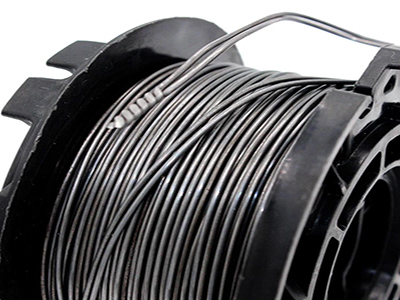
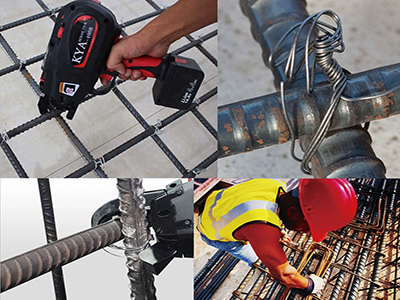
The impact of rebar tying wire quality on structural integrity will be discussed in detail below.
First, the quality of the rebar tying wire directly affects the structure's load-bearing capacity. Using inferior rebar tying wire can lead to insecure binding, resulting in weak connections between rebars or even loosening. This directly reduces the overall load-bearing capacity of the structure, increasing the risk of building collapse. Therefore, selecting high-quality rebar tying wire during construction is crucial to ensure structural stability and safety.
Second, the quality of the rebar tying wire affects the structure's durability. During building use, rebar is exposed to the external environment. Using inferior tying wire makes it susceptible to oxidation and corrosion, reducing the rebar's lifespan. This directly impacts the durability of the entire building structure and may even lead to premature aging and damage.
Furthermore, the quality of the rebar tying wire also affects the construction quality and project progress. Using substandard tying wire can easily cause problems during construction, increasing construction difficulty and time costs. Choosing reliable rebar tying wire ensures smooth construction, improves project efficiency, and guarantees the quality of the structure.
How to Choose Qualified Binding Wire?
To ensure project quality, the following should be considered when selecting binding wire:
Material and Process: For humid environments, galvanized wire (especially hot-dip galvanized) is preferred, as its rust resistance is far superior to ordinary black iron wire.
Specification Matching: The diameter must match the rebar specification (commonly 20-22 gauge) to ensure sufficient strength.
Product Standards: Select qualified products that meet national or industry standards.
Whatsapp : +86 -13559234186
Email : sale@lscmagnetics.com
Tel : +86 -13559234186